Smoking Meat: A Beginners Guide To Doing It Right
One of the most comprehensive guides on smoking meat the right way. Packed with tips and tricks to make your smoking a success.
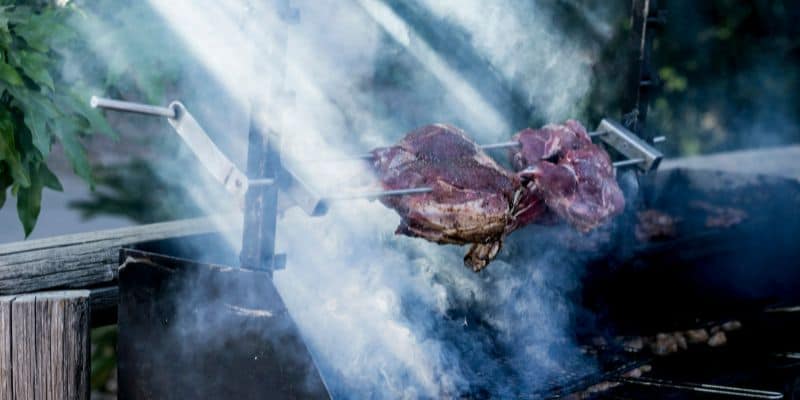
Smoking meat is a practice that has been carried out for centuries, originally as a method to preserve meats, to prevent attack by flies and other unhealthy organisms, and more recently, to impart incredible flavors to foods.
Smoking meats has become an art form, with artisan smokers and backyard smokers loving the process, and the end results. For the beginner however, the art of smoking may seem complicated and a little daunting.
The good news is that learning how to smoke meat is actually a simple process. You don't need a degree in the culinary arts or chemistry to become a seasoned pro (excuse the pun). Sure, there are some steps you need to learn, some equipment you'll need to purchase, but with the basic knowledge that I'll be outlining in this post, you'll be smoking meats like a champ in no time.
Here's a quick overview, before we get into the detail, just so you have the basic idea of what you'll need to focus on to achieve the best smoked meats you have ever tasted.
Smoking Meat: An Overview

The two primary factors required are, at the risk of stating the obvious...heat and smoke. I'm really not trying to treat you like an idiot here, I promise, so bear with me...
Heat: There are a couple of 'schools of smoking', which serve different purposes. Hot smoking and cold smoking. As the names imply, one is carried out with very little heat, the other with higher heat. We'll be focusing on 'relatively' hot smoking here, but the temperature you'll need to maintain is still relatively low, when compared to say, a barbecue.
The temperature required is a generally in the range of 180-220 degrees F, and you need to maintain that steady temperature for a long period of time. Smoking takes hours, and holding that temperature in the 'goldilocks range' (not too hot, not too cold, but just right) is essential for a good outcome.
For safety reasons, the internal cooking temperature of meat needs to rise to at least 145 deg F for meat with 165 deg F for poultry. This is just to ensure dangerous bacteria are killed.
180 degrees will provide REALLY tender meat, but the smoking time is longer than at higher temperatures. As a beginner, aiming for the 200-220 degree F range, and keeping it there will provide the best results. An electric smoker makes for really easy smoking, a charcoal or wood-fired smoker needs a little more hands on attention, but with a little knowledge, it's really simple to do.
If you are using hardwood charcoal as your fuel, it's worth noting that it burns really hot, but the duration is short. Briquettes burn a little cooler, but for longer. For smoking enthusiasts using a charcoal smoker, a combination of the two is ideal. Remember, for smoking, we use indirect heat, often with an offset smoker box, as opposed to the direct heat method used in grilling and barbecuing.
Smoke: Smoked food requires hardwood to impart that smokey flavor. Apple, oaks, pecan, mesquite and hickory are all fine choices.
How To Smoke Meat: Step By Step

Search the internet for information on how to smoke meat in a smoker, and you'll likely come away with your head in your hands, a little bemused, and no closer to the ideal way to smoke. The smoking community is full of gurus, know-it-alls and clever clogs who KNOW that their method is THE method, nothing else comes close.
Hmmm, I tend to steer clear of those folks! There are so many ways to smoke meat, some better than others for sure, but there is no ONE way.
I've followed Karl Engel's meat smoking tips and methods for a long time, and they work great for me. He doesn't claim to have the holy grail of smoking, but his methods work, are reliable, and ensure a fantastic flavour and tenderness. That's good enough for me!
So, 'low and slow' is our mantra, cooking that cut of meat for a long period of time will impart a wonderful smokey flavour onto the meat, keeping it tender, sweet, and definitely not dry and chewy. If you've even been to a good barbecue restaurant, you'll know what I'm talking about.
Smoking meat is a great way to add flavor and juiciness to your BBQ. It can also be a little intimidating for beginners, so we’ve put together this step-by-step guide to help you get started.
Step 1. Choose the right meat to smoke
Not all meats are created equal when it comes to smoking. The tougher the cut, the longer it should be cooked for. Meat that is naturally tender or has been mechanically tenderized can be smoked at a shorter length of time.
Step 2: Prepare the meat
Rub your choice of seasonings into the meat, then wrap it in plastic and refrigerate for at least four hours.
Step 3: Prepare the smoker
If you’re using a gas or electric smoker, simply preheat it to between 225°F and 250°F. For a charcoal or wood smoker, build a fire on one side of the grill, leaving the other side empty. This will create two cooking zones—a hot zone for searing and a cooler zone for smoking.
Step 4: Add wood to smoker or grill
Add your choice of wood chips or chunks to the coals in your gas or electric smoker, then close the lid. If you’re using a wood or charcoal smoker, place the wood in an aluminum tray. Then, get your grill grates nice and hot over the hot zone of your smoker or grill.
Step 5: Smoke that meat!
Arrange the meat on the cool side of the grill, close the lid and open any vents to increase the heat. Smoke for about four hours, or until the meat is cooked to your liking.
This video is a nice, simple way to learn how to smoke meat.
Choosing The Best Meats To Smoke
Let's be honest, you can smoke just about anything, fish or fowl, animal, vegetable, and even mineral I guess?
But not all meats are ideal for smoking. Very lean meats with almost no fat content can be a little trickier that the more fatty cuts. But tons of people smoke deer with incredible results. And deer runs pretty lean.
So, knowing your meat is essential (hmmm, that didn't sound quite right did it?) Knowing how to smoke different types of meat to ensure no dryness, but a flakey, moist and succulent texture is actually what I meant to say.

Top 10 Best Meats To Smoke
Here are some of the best meats to smoke. This list is not exclusive or in any particular order, as you can smoke pretty much anything, but these meats ensure some early wins in your smoking journey.
- Beef Brisket
- Pulled Pork
- Pork Shoulder
- Prime Rib
- Chicken
- Boston Butt
- Feral Hogs And Russian Boars
- Whole Turkey
- Deer
- Goat
Some other options include Carp (hard to believe), chuck roast, rump roast, sausage, tenderloin, whole ribeye, back rib, short ribs, spare ribs. You can smoke a whole beef shoulder or a whole hog, salmon, eels, mackerel, the list is endless.
Experiment! Try to see your new found pastime as a fun journey, trying different techniques, temperatures, smoke times, rubs and marinades. You'll become obsessed...I did!
Best Meat To Smoke for Beginners
There are many wide and varying opinions on which are the best meats for beginners to smoke. A meat that is relatively forgiving is always the best option when you are just starting out. Pork shoulder or butt are two that stand out.
These meats can take a bit of punishment in the smoker, but are not going to leave you with an end result that is inedible, unless you REALLY screw things up.
When I started out as a smoking newbie, I also saw great success with a slab or two of pork spare rib. I used the 3-2-1 method and an off the shelf dry rub. The sauce was also purchased rather than made at home. The results were incredible and it really gave me the confidence to spread my wings (chicken wings, smoked of course) and try some more daring recipes.
Chicken is cheap and easy to smoke too. Most people end up doing more chicken smoking than anything else, and it's super easy.
Grab a chicken, ensure it is dry, throw it in the smoker and when the internal breast temperature is around 165 deg F, turn off the heat and rest for 25 minutes with the door closed. Simples!
Chicken really is one of the most user friendly meats for smoking, and a fair amount of screwing up won't usually lead to a complete disaster. Be bold, give it a shot and you'll be a master smoker in a very short time.
Cheap Meats To Smoke

We all know that the price of meat increases as the tenderness of the meat increases. So rump steak is more expensive than braising steak, and sirloin is super pricey. And it cooks very quickly and remains uber tender.
But that definitely does not mean that you can't find excellent meats for smoking without breaking the bank.
Some of the less expensive meats that can be successfully smoked at home. Remember, these are just guidelines - feel free to experiment with different cuts and types of meat to find what works best for you - the most important thing is smoking with what you like.
Some of these can be found at local grocery stores, while others might require a trip to the butcher shop (a lot of small butcher shops are still around in many cities - if not, there's always Blue-line or Yellow-line). In addition to meat, some may also enjoy smoking cheese, fish, nuts or other food items.
Pork shoulder (butt): This is a great cut of meat to start with - it's relatively cheap and forgiving if you're still new to the smoking process. The pork shoulder can be smoked slowly at low temperatures for a long period of time, resulting in a moist and flavourful end product.
Pork ribs: A rack of pork ribs is a great way to feed a crowd, and they're not too expensive either. Ribs can be smoked slowly at low temperatures for a few hours, or until they reach the desired level of tenderness.
Beef brisket: Another relatively inexpensive cut of meat, beef brisket is great when barbequed. Southern-style barbecue sauce can be applied to this cut of meat and cooked in a smoker for a few hours.
Pork chops: One of my favourites, pork chops can be easily found at most grocery stores and are very versatile when smoking. They can be smoked in the smoker or grilled on the barbecue for a moist and flavourful end product.
Chicken (whole): One of the most popular smoked meats, chicken is wonderful if you're looking to impress your friends with something that really stands out. Using whole chickens will also allow you to experiment with different recipes like beer can chicken or jerk chicken. Whole chickens can be cooked in a smoker or grilled over hot coals.
Quick Meats To Smoke
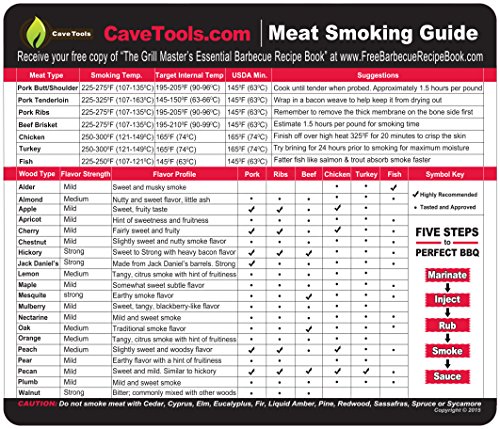
Smoking any meat is never a fast process, you are generally talking upwards of 4-5 hours for back ribs, with a large beef brisket taking from 12-20 hours.
Here are a few of the more popular meats and their smoking times and temperatures.
Best Meats To Smoke In An Electric Smoker
When it comes to smoking meats, there are a wide variety of options to choose from. But, not all meats are created equal when it comes to smoking. Some meats are better suited for smoking than others. Here is a list of the best meats to smoke in an electric smoker:
1. Pork ribs
Pork ribs are one of the best meats to smoke in an electric smoker. They are tender and flavorful, and they pair well with a variety of different sauces and rubs.
2. Beef brisket
Beef brisket is another great option for smoking in an electric smoker. It is a tough cut of meat, but it becomes tender and juicy when smoked properly.
3. Turkey
Turkey is a great option for smoking in an electric smoker, especially around the holidays. It is lean meat, so it doesn't take long to cook and it is full of flavor.
4. Ham
Ham is classic smoked meat that is perfect for any occasion. It is versatile and pairs well with a variety of different flavors.
5. Pork shoulder
Pork shoulder is a fatty cut of meat, but it is incredibly flavorful and tender when smoked properly. It can be a little challenging to cook, but it is definitely worth the effort.
These are just a few of the best meats to smoke in an electric smoker. There are endless possibilities when it comes to smoking meats, so feel free to experiment with different cuts of meat until you find the combination that is perfect for your taste buds.
Best Beef Roast To Smoke
A beef roast is a perfect meal to smoke in a smoker. It's hearty, filling, and flavorful. Plus, smoking a beef roast is easy and doesn't require a lot of time or effort.
If you're looking for the best beef roast to smoke in a smoker, there are a few things to consider. The first is the cut of beef. A chuck roast or brisket are both good options, as they are fatty and have a lot of flavor.
The second thing to consider is the seasoning. Simple seasonings like salt, pepper, and garlic work well with beef roasts. You can also add some herbs like rosemary or thyme for extra flavor.
Once you've selected your beef roast and seasoning, it's time to smoke it. Different smokers have different settings, but you'll normally want to set your smoker somewhere between 200 and 275 degrees Fahrenheit
It takes about one hour of smoking for every pound of beef that you're cooking. So plan accordingly. One thing that's important is to make sure that your beef roast is cooked all the way through before trying to eat it. It should be around 160 degrees Fahrenheit when finished smoking. You can do this by using a meat thermometer or cutting into the beef and examining the color of the inside (it should be brown).
This list of beef roasts are considered some of the best for smoking:
- Brisket
- Arm Roast
- Rump Roast
- Tri-tip Steak
- Chuck Roast (also called pot roast)
These are considered some of the best beef roasts to smoke in a smoker. If you're looking for something different, check out these articles on smoked lamb shoulder and turkey. They will give you some more ideas for your smoker.
Smoked beef is a delicious and easy way to cook a roast. By following these simple steps, you'll be able to create a tender and flavorful beef roast that will satisfy even the most discerning palate. So fire up your smoker and get cooking!
The Best Temperature For Smoking Meat

When it comes to smoking meat, there is no one-size-fits-all answer to the question of what the best temperature is. Different meats will require different temperatures in order to achieve the perfect level of doneness. However, there are some general rules that can help you determine the best temperature for smoking your meat.
In this article, we are going to focus on when you should use high heat for smoking meat.
Using the right temperature when smoking meat is important in order to achieve a great-tasting finished product. High heat allows for fast cooking so that the outside of the meat does not have time to become overcooked before the inside is done. This means that you can finish your meat in a shorter amount of time.
High heat smoking requires the use of wood chips, such as hickory or oak, to produce smoke and impart flavor. It also requires that you monitor the temperature carefully to make sure it does not get too hot inside the smoker. High heat allows for more versatility when smoking different meats because it allows for faster cooking times.
For example, chicken takes about four to six hours at low heat, but only two to three hours at high heat. If you are not concerned with the amount of time that it takes to cook your meat, then low heat is the best choice for smoking.
Here is a short list of meats and their ideal smoking temperatures:
- Beef: 145°F
- Pork: 160°F
- Lamb: 145°F
- Chicken: 165°F
- Turkey: 165°F
If you are new to smoking meat, it is best to start with a simpler recipe that does not require such precise temperatures. As you become more experienced and comfortable, you can experiment with different temperatures.
Smoking Meat Cooking Times
It's generally best to do some specific research on smoking times, but here are some of the more popular meats and the required smoking times:
Pork: 6 to 8 hours at 225 degrees Fahrenheit
Ribs: 4 to 6 hours at 225 degrees Fahrenheit
Ham: 8 to 10 hours at 225 degrees Fahrenheit
Beef brisket: 12 to 14 hours at 225 degrees Fahrenheit
Poultry: 2 to 3 hours at 225 degrees Fahrenheit
Fish: 1 to 2 hours at 225 degrees Fahrenheit
These are just general guidelines, so it's best to always check your smoker's manual for the most accurate times. Different types of smokers and meats will require different times, so it's important to be familiar with your equipment.
How To Use A Smoker

To keep this article a reasonable length, I will link to other articles I have created which explain how to use a smoker in depth. The video below is great to give you a high level overview.
How to use a Masterbuilt Electric Smoker
Types Of Meat Smokers
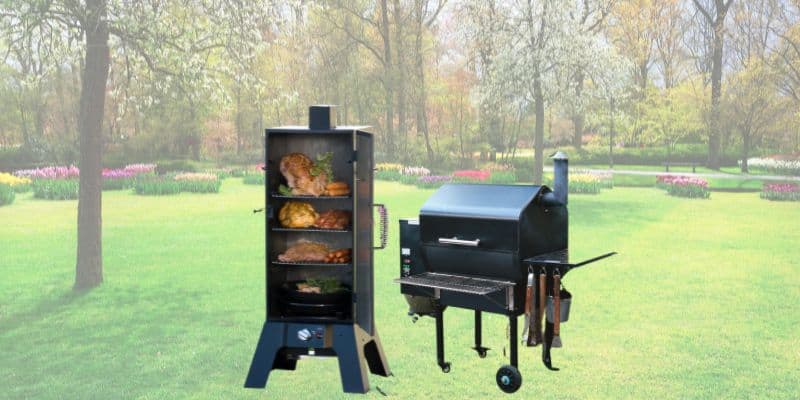
There are a ton of smoker types on the market today. Offset, electric, propane, wood fired, rotisserie, bullet smokers, kettle grills, even trash cans with a grate on it.
If you can control the fire, you can likely smoke meat with whatever grill or smoker you have. Using a Masterbuilt electric smoker is how I do it these days, but you can pick up a charcoal smoker for under $200, often a lot less.
Don't let yourself get overwhelmed with what smoker to buy. Choose the best you can afford and learn to smoke a brisket like a champ.
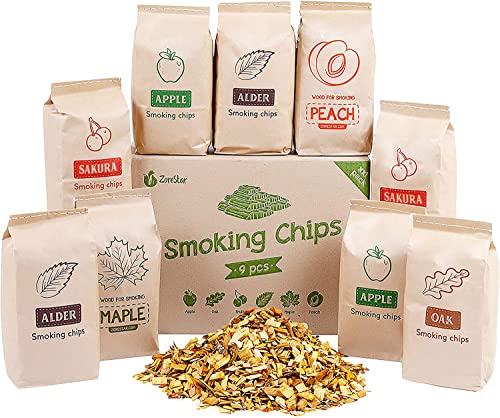
How To Use A Smoker With Wood Chips
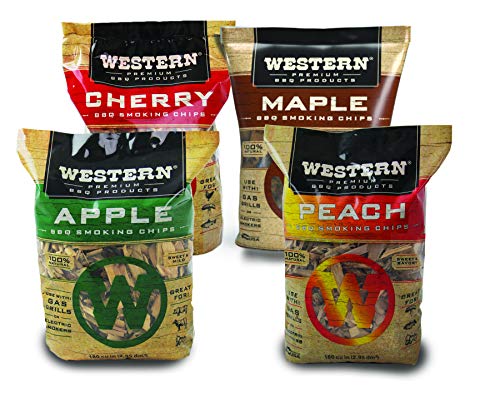
Wood chips come in flavors like mesquite, hickory, maple and many other types of wood. The type of wood you use will impart a different flavor to your food.
The first thing you need to do is soak the chips in water for about 30 minutes. This will help them to smolder and produce more smoke.
Next, fill the smoker with charcoal and light it. When the coals are hot, spread them around so you have a hot and a cool side.
Then, put the soaked chips in a smoker box or an aluminum foil pouch and place it on the hot side of the grill. The chips will start smoking and producing heat.
When the food is ready to go on the smoker, put it on the cool side and close the lid. Smoke will flow over the food and impart a wonderful flavor.
Wood chips are readily available at most grocery stores and offer an easy way to get started smoking. For more tips on how to use wood chips in your smoker, visit the site for this article again soon.
Types Of Wood For Smoking

Most people tend to default to the same type of wood when they are smoking foods. This is not always wise. Most types of woods have their own flavors which will actually be enhanced during the cooking process once smoke begins to come into contact with your food.
The best way for you to discover the real differences that each individual type of wood has to offer is to take one of the smaller pieces of unseasoned wood and do a simple burn test. While burning each wood, write down everything you smell and taste until all the smoke has dissipated. This will help you to discover which flavors are produced by which types of wood so that you can better choose what's right for your next dish.
Here's a list of the most common types of wood and what you can expect from them:
Oak – Oak has a meaty flavor and is best for beef, lamb and pork. It has a strong taste so it should only be used with thicker cuts of meats. You can also use oak to give smoked cheese or nuts a slightly smoky flavor.
Pecan – Pecans have a lighter and sweeter flavor than oak. This is just right for most fowl, seafood and vegetables. If you want the best pecan flavors to really come through, soak them in water for about 10 minutes just before adding it to your fire or smoker box.
Madrone – Madrone is a hardwood tree in the Pacific Northwest. The produce a nice sweet smoke that works well in combination with other types of wood to produce a pleasing smoky flavor for pork, beef, fish and poultry dishes.
Cherry – Cherry has been used for centuries due to its versatility when it comes to smoking. It has a slightly sweet and fruity flavor that goes well with just about anything from beef and poultry to pork and fish.
Alder – Alder is the traditional wood used for smoking salmon in the Pacific Northwest. It has a light, sweet and nutty flavor that pairs well with most types of fish.
Apple – Apple, like cherry wood, has a slightly sweet and fruity taste. It's best used with poultry and other fowl such as duck, goose and turkey.
Hickory – Hickory produces a strong pungent smoke best suited for pork and beef dishes. If you want to add a southern flavor to any type of meat or even vegetables, then hickory is the way to go.
Maple – Maple is a sweet wood that goes well with poultry, pork and lamb. The smoke from maple will give your food a delicate flavor that's perfect for those who want something a little different than the traditional smoky taste.
Mesquite – Mesquite is a very strong and pungent wood that's best used for beef and lamb. If you're looking to give your food a real Texas flavor, then mesquite is the way to go.
These are just a few of the most common types of wood that can be used when smoking foods. Experiment with different combinations to find the right smoke profile for your next meal. With just a little bit of experimentation, you'll be able to create some amazing dishes that will tantalize your taste buds.
Offset Smoker Fire Management
One of the main benefits of using an offset smoker is the ability to manage the fire. The fire box is located on one side of the smoker, while the cooking chamber is located on the other side. This design allows you to easily control the heat and smoke by adjusting the air intake and chimney draft.
The key to managing the fire is controlling the amount of air that reaches the hot coals. You can accomplish this by adjusting the bottom air vent on most offset smokers. This allows you to increase or decrease the airflow, which increases or decreases the amount of coals and reduces (shuts down) or turns on (increases) airflow through your cooking chamber. Additionally, the size of your fire can be regulated by controlling the height of the coals in the firebox.
When it comes to managing your smoker fire, there is no one-size-fits-all answer. Every smoker is different, and each person has their own unique preferences. However, by following these general tips, you can start to get a better idea of how to manage your smoker fire:
- Start with a small fire and add coals as needed. This will help you to regulate the temperature and prevent the fire from getting too hot.
- If the fire gets too hot, reduce the airflow by closing the bottom air vent.
- If the fire dies down, open the bottom air vent to increase the airflow and re-ignite the coals.
- Remember to adjust the airflow depending on the temperature you want to achieve. A low airflow will create a higher temperature, while a high airflow will create a lower temperature.
- Make sure to clean out the ashes from the firebox and cooking chamber after each use. This will help to keep the smoker in good working order and prevent any fires from starting.
By following these tips, you can start to better manage the fire in your offset smoker, ensuring that your food is cooked perfectly every time. So, get out there and start smoking!
This video is also very useful if you like to learn visually.
Last Thoughts
To sum up after this fairly long article. Smoking meat is a great hobby. Once you have overcome the beginner's obstacles and are comfortable with the process, you can spend more and more time getting really obsessed with testing new ideas.
There are a ton of excellent resources and recipes on the web, you'll never be stuck for what to do next.
I highly recommend creating a recipe book where you can write observations and thoughts, save great recipes you have discovered. It's a super rewarding pastime and creating incredible food for your family and friends is a fantastic gift to give.
Happy Smokin'