Is Reverse Osmosis Water Bad For Kidneys: Drinking Water Or Poison?
Reverse Osmosis water is water that has been filtered through a special system to remove impurities. This water is said to be better for you than regular tap water. However, some people believe that reverse osmosis water is bad for your kidneys and can even be poisonous. But is reverse osmosis water bad for kidneys?
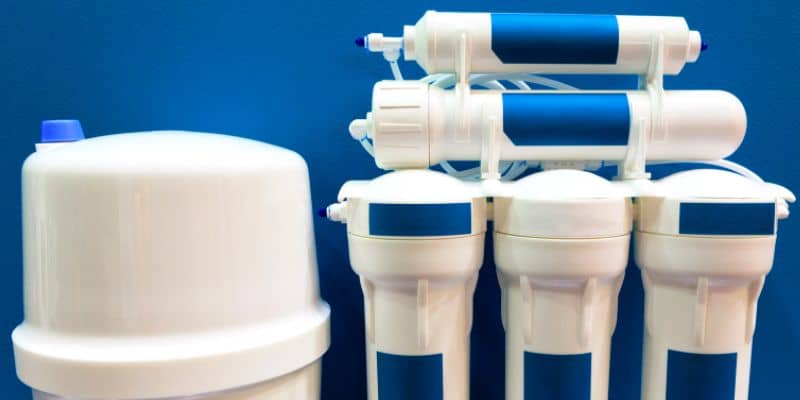
Reverse Osmosis water is water that has been filtered through a special system to remove impurities. This water is said to be better for you than regular tap water. However, some people believe that reverse osmosis water is bad for your kidneys and can even be poisonous. But is reverse osmosis water bad for kidneys?
There is no incontrovertible scientific evidence to support the claim that reverse osmosis water is bad for your kidneys and health. In fact, reverse osmosis water is often recommended as safer and healthier drinking water than tap water. In this article, I will discuss what RO water is, and some of the discussions around its health benefits and potential damage to the body.
What Is Reverse Osmosis Water?
Reverse osmosis (RO) is a water purification technology that uses a semipermeable membrane to remove ions, molecules, and larger particles from drinking water. In reverse osmosis, an applied pressure is used to overcome osmotic pressure, forcing water molecules through a membrane against their natural tendency to diffuse across the membrane in the direction of the higher concentration of water molecules. Reverse osmosis systems remove fluoride and a wide range of other chemicals and mineral contaminants, providing you with fresh, clean water. But are there issues with removing most of the contents of your drinking water?
Is Reverse Osmosis Water Bad For Kidneys?
There is a lot of debate over whether or not reverse osmosis water is bad for your kidneys. Some people claim that the water is too pure and can strip your kidneys of essential minerals, while others say that the water is no different than any other kind of water and is perfectly safe for your kidneys. The truth is that there is no definitive answer and more research is needed to determine whether or not reverse osmosis water is bad for your kidneys. However, most experts agree that drinking reverse osmosis water in moderation is probably not harmful and can even
What Are The Benefits of Reverse Osmosis Water?
There are many benefits of reverse osmosis water. This type of water is purified and has had all of the impurities removed. It is often used in hospitals and other medical facilities because it is considered to be the purest form of water. Reverse osmosis water is also used in many homes because it is a great way to get clean, fresh water.
Are There Any Risks To Drinking Reverse Osmosis Water?

The World Health Organisation has commented on the long-term use of reverse osmosis filtered water. There appears to be no evidence that long-term drinking of reverse osmosis water has adverse effects on health. However, because reverse osmosis water is very pure, it may be harmful to people who are used to drinking water that contains more minerals. RO water is deficient in some minerals due to the filtration process, and the PH of the water is likely to be lower.
Possible health effects of long term drinking of more acidic water include:
1: Little or no intake of calcium and magnesium from low-mineral water
2: Possible increased dietary intake of toxic metals.
3: Increased risk of kidney disease
4: Loss of calcium, magnesium, and other essential elements in prepared food
This article discusses potential risks to health from drinking demineralized water. It’s actually a very interesting read, and well worth the few minutes it takes to create a better understanding of the water we drink.
Is Reverse Osmosis Water Safe to Drink?
Reverse osmosis water is often touted as being one of the purest forms of water available. This is because the process of reverse osmosis removes many of the contaminants that can be found in water. However, it is important to remember that reverse osmosis water is not necessarily safe to drink. While it is free of many harmful contaminants, it can also be low in certain essential minerals.
This lack of minerals could potentially have negative consequences for your health. One such consequence is an increased risk of kidney disease. Additionally, drinking reverse osmosis water can also lead to a loss of calcium, magnesium, and other essential elements in prepared food. Minerals can be supplemented through food choices and daily supplements, so it’s a matter of weighing up risk vs reward when you investigate the types of minerals and/or chemicals that are in your home water supply.
Conclusion
Reverse osmosis water IS safe to drink, but while it is free of many harmful contaminants, it can also be low in certain essential minerals. This lack of minerals could potentially have negative consequences for your health. Taking all these factors into account will help you decide if a RO system is right for you, or if you need a home water filter that doesn’t completely remove useful minerals.
If you have any experiences, ideas, or thoughts on RO water filtration, leave a comment below. We love to hear opinions from people who have first-hand experience.