Do Fermented Foods Need To Be Refrigerated? Ferments Storage Guide
Do fermented foods need to be refrigerated? In general, the answer is no, but with some nuances you may find interesting.
Do fermented foods need to be refrigerated? This is a question that often arises in the minds of those who are making their first batch of fermented sauerkraut or kimchi.
The answer is no, fermented foods do not need to be refrigerated at all times. But fermented food DOES need to be stored in a specific way, and in ideal temperature conditions.
Unfortunately, it appears that most people are completely unaware of the principles of lactic acid fermentation that are behind fermenting, principles that have been passed down through the ages. In fact, from a time long before electric refrigeration was even considered.
Fermentation Preserves Food At Room Temperature
It is reasonable to suggest that the fermentation of food came about as a result of an accident, then trial and error. The concept of lactobacillus and other bacteria and enzymes being beneficial to health would not have even popped into the mind of these pioneers of fermenting. They just realized that submerging cabbage and other vegetables for several weeks or months in salt brine increased the shelf life and allowed them to store the produce for a long time.
It was all about preserving food that would otherwise spoil within a short time. Times were tough, harvests failed regularly. Cooking was not always possible or efficient. Food security was essential to ensure your family or village survived the lean times.
The first thing to understand is that fermentation preserves food at room temperature. The lactic acid bacteria that are responsible for the fermentation process create a natural barrier against spoilage organisms, meaning that your fermented products will last for weeks or even months without refrigeration. This is one of the main reasons why fermented foods are such an important part of traditional food preservation methods.
That said, there are a few exceptions to this rule. Some ferments, like dairy products or sausages, need to be refrigerated in order to maintain their safety and freshness. And if you’re using a starter culture or probiotics for your ferment, it’s important to keep them refrigerated as well to prevent them from spoiling.
As a general rule, most ferments can be stored at room temperature as long as they are sealed in an airtight container prior to the initial opening. Once opened and exposed to the air, refrigeration is the preferred option.
How Do You Store Fermented food?
If your fermented food has not been opened, you can store it in your pantry at room temp. An airtight food-grade container is all that is required!
Once the ferment has been opened, be sure to place it in a tightly sealed glass or plastic container and pop it into the fridge for storage. Ideally, eat the food within a few weeks, but if you can’t do this (due to a busy schedule), feel free to freeze it in smaller containers instead. I have personally kept kombucha bottled in a cool place for more than 3 years, and it was still completely drinkable after all that time.
Freezing is not something I do but is certainly an acceptable option as long as the ferment has been fully cured before doing so.
What Temperature Should You Store Fermented Food If Not Refrigerated?
Ideally, fermented foods should be stored in stable temperatures. This means that the temperature should not be too high or low for your specific food item. If you are unsure, use a candy thermometer to monitor the temperature at which you store your fermented foods at home.
A cool place with a temperature range of 8-12 deg C (46-54 degrees Fahrenheit) is best for storing most foods.
At stable temperatures, fermented food can be stored in a pantry or cabinet without the need of using refrigeration. A cellar or outbuilding is also a great place to store your ferments.
Can fermented foods be stored at room temperature?

Yes, fermented food such as sauerkraut, kimchi, natto, etc, can all be stored at a low room temperature, so long as the container is airtight. The room must however be cool, and not be subject to wild temperature fluctuations. However, once opened these should be transferred to an airtight glass or plastic container and stored in the fridge for maximum freshness.
Do not store unopened fermented goods that contain dairy products (e.g., yogurt) or fermented meats at room temp! This needs to be refrigerated.
Don’t forget the general rule about fermented food is it can last for weeks or months without refrigeration so, long as they are stored airtight and once opened, chilled, and eaten within a few weeks.
Do fermented foods need to be refrigerated after opening?
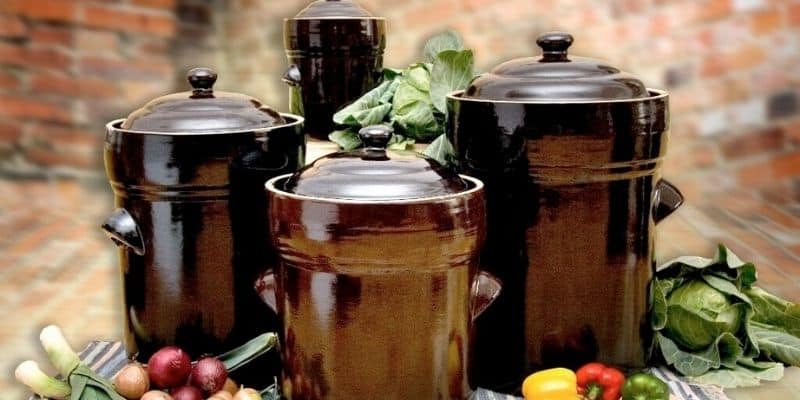
There is a lot of debate on this point. Traditionally, fermented foods were kept in heavy ceramic crocks and quantities decanted as required. Remember, electric refrigerators didn’t exist.
Our modern fear of illness from eating bad food has stopped us from using fermented foods as they should be used. Of course, no one wants food poisoning, but our phobia of eating something that has not been chilled (even if it is not designed to be) has become somewhat obsessive.
But, from a modern viewpoint, it is fair to suggest that to refrigerate or not depends on the food.
– If it’s fermented sauerkraut, kimchi, or pickles – then they can be stored at room temperature for up to several months.
– However if it is yogurt, kefir, or cheese that has been made with pasteurized milk and/or cream – then they probably should be chilled.
Can I Eat Unrefrigerated Fermented Vegetables?
You sure can! As long as your foods are kept in a cool (not hot!) place, they will last for months. Fermented kimchi that has been buried in crocks in Korea, and recovered after 100+ years has been found to be perfectly edible and not spoiled at all.
However, there is one thing to keep in mind when fermenting your own foods without refrigeration. Lactic acid bacteria that are beneficial to our health tend to be very sensitive and can die off if temperatures get too high or the fermentation process takes too long (over-fermentation).
Simple Food Safety Guides For Fermenting
Here are 5 simple guidelines to ensure you store your fermented food correctly and it is always safe to eat:
- Keep it in the fridge after opening
- Store it in a cool, dark place before initial opening
- Always store fermented dairy like kefir and yogurt in the fridge
- Don’t store in metal containers
- Use a clean spoon every time you scoop out some fermented food.

Frequently Asked Questions
I always like to include some specific questions that I know people are searching for, just to ensure completeness. Here are 3 of the most common ones:
Does Sauerkraut Need To Be Refrigerated?
As with all fermented vegetables, sauerkraut does not need to be refrigerated. The high acidity of the fermenting vegetables combined with the lactic acid bacteria created during fermentation is enough to keep sauerkraut from spoiling.
However, some people prefer to store their sauerkraut in the fridge because it will last longer and tend to taste better cold.
Does Kefir Need To Be Kept In A Refrigerator?
Kefir is a fermented milk product that originated in the Caucasus mountains. It is made by fermenting milk with kefir grains, which are actually a symbiotic culture of yeast and bacteria.
Depending on where you live around the world will determine whether or not it’s necessary to keep your Kefir refrigerated at all times though most people do store their Kefir in the fridge. If you live in very cold weather conditions, it might be possible to store your Kefir outside of the fridge.
What Ferments Should Be Kept Chilled?
Some fermented food does need to be refrigerated at all times. Kefir and yogurt are examples of this. You should never leave these types out at room temperature or they will spoil and could even cause illness if you eat them.
Fermented dairy products like cheese, butter, and sour cream can be left on the counter in a cupboard to ferment for a few days before being stored in the fridge afterward.
Do Fermented Pickles Have To Be Refrigerated?
Fermented pickles can be kept at room temperature for short periods of time. They will stay fresh in the fridge but they do not necessarily need to be stored there.
Pickles should always have a water cover over them so that they are able to breathe and ferment properly without being exposed to air or contaminating bacteria from outside. If you put fermented pickles in a jar and seal it, the carbon dioxide will build up inside until they become too acidic or explode.
The main point to remember is that fermented pickles are alive. Just like sourdough bread dough, they have their own life force energy, so do our ferments! If you want them to be safe for long periods of time make sure to store them in a jar with water covering and they should be fine for many months, even years!

Final Thoughts
Fermented foods like kimchi and sauerkraut and are a delicious and healthy way to add probiotics to your diet. By following these simple guidelines, you can ensure that your fermented raw vegetables are always safe to eat. Refrigeration is not necessary for all fermented food, but it is a good idea to store dairy products in the fridge at all times. You may wish to keep other types of ferments like cheese on the counter rather than refrigerating them.
Do you have any questions about the benefits of eating fermenting food? Leave a comment and I’d love to chat about it,? Leave them in the comments below and I’ll be happy to answer them.