What Does A Home-Laid Egg Really Cost?
More than the shop, almost certainly. Here is how to work out your own figure honestly, what the real drivers are, and the three ways people get the sum wrong.
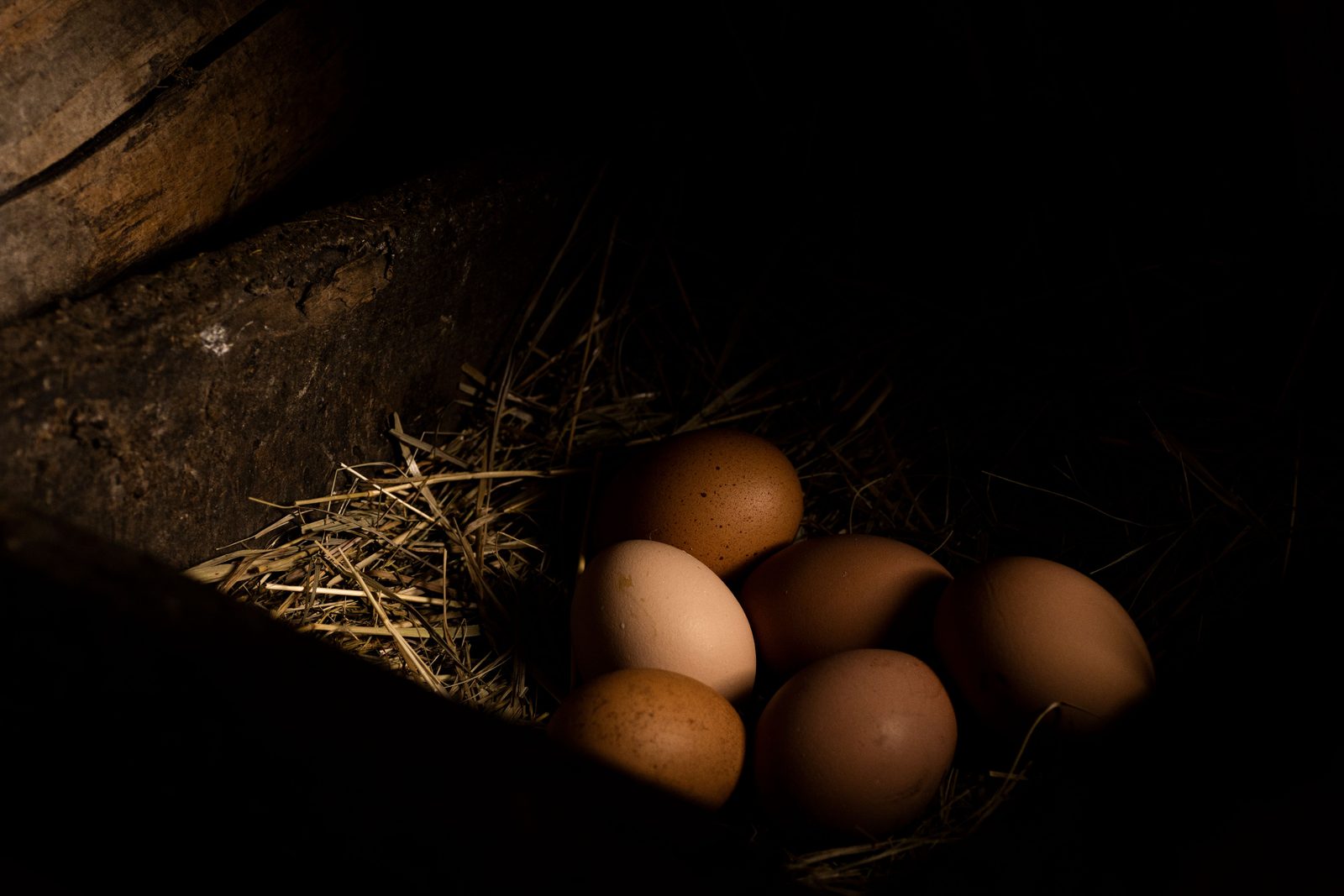
Somebody on a homesteading forum recently did something most keepers never do: they wrote down every egg and every cost through a whole winter, and worked out what each egg actually cost them.
Almost nobody does this, and the reason is that most people suspect they will not like the answer. They are usually right. Home-laid eggs generally cost more than shop eggs, sometimes a great deal more.
That is not an argument against keeping chickens. It is an argument for knowing your own number, because once you know it you can decide what you are actually buying.
Working out your own figure
The sum is simple. The honesty is the hard part.
cost per egg = (feed + bedding + everything else, over a year) ÷ (eggs collected in that year)
Track it for twelve months, not a good month in June. That is the whole trick, and it is why so few figures you read online are worth anything.
What goes in
Feed. The largest running cost by a distance, usually 60 to 80 per cent of the total. Weigh or count the sacks. A standard hen eats roughly 120 grams of layer ration a day, so six hens get through about a 20-kilogram sack a month.
Bedding. Straw, shavings, hemp. Small per bale, relentless over a year.
Grit and oyster shell. Minor but real.
Health. Mite treatment, wormer, the occasional vet.
Replacement birds. Point-of-lay pullets, or the cost of hatching and rearing. Spread over the years they lay.
Electricity, if you run a light or a heated drinker.
The coop, spread over its life. A coop that cost a few hundred and lasts ten years is a real annual cost, and leaving it out is the most common way people flatter the figure.
What comes out
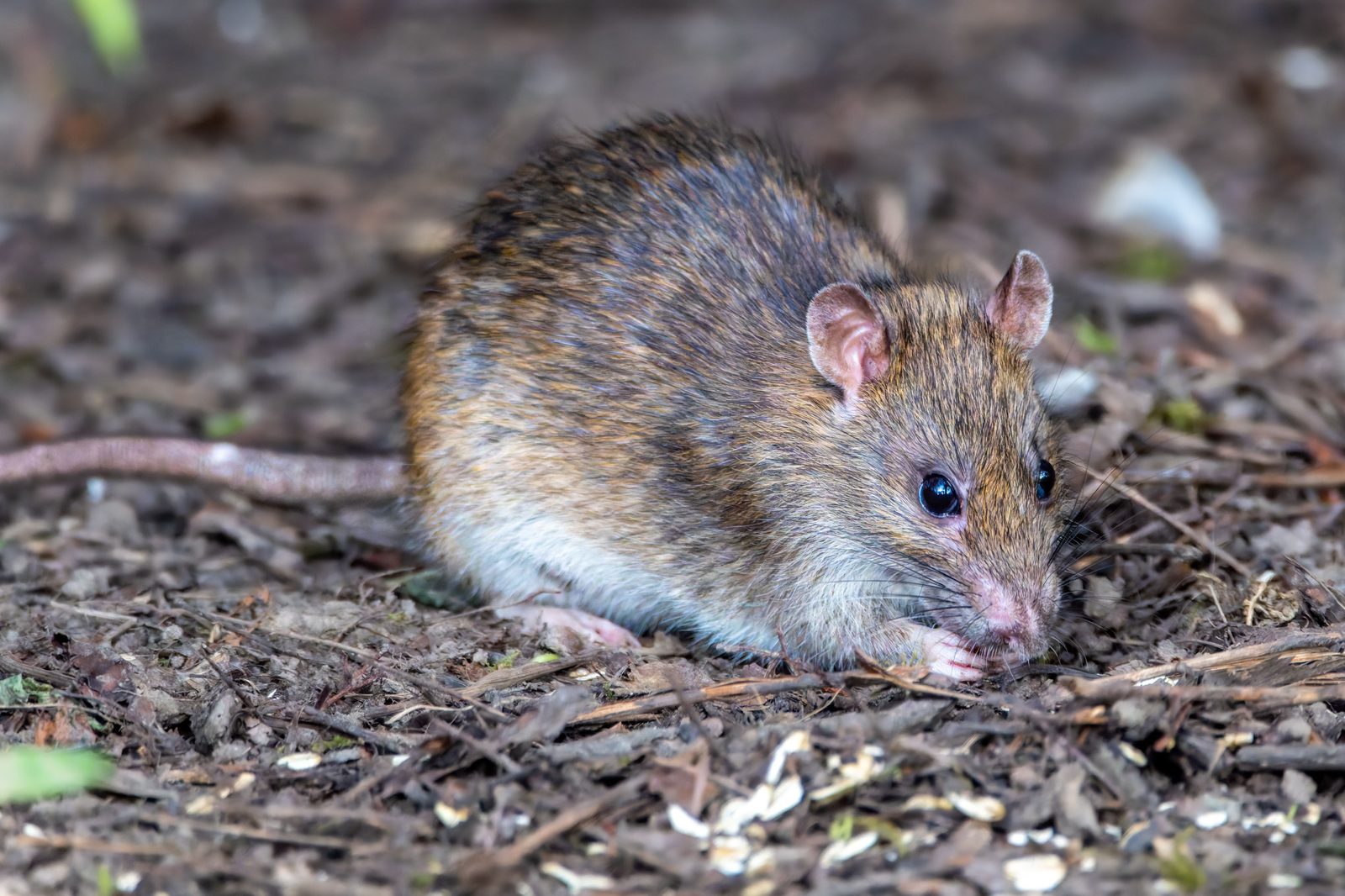
Eggs collected. Not eggs your hens theoretically could lay — eggs you actually carried into the kitchen. Count the ones that were cracked, eaten by a rat, or laid somewhere you found a fortnight later, and count them as zero.
What actually drives the number
Four things move it far more than anything else.
Winter
The big one, and the reason a summer-only figure is meaningless.
Laying is driven by day length. Below about twelve hours of daylight, most hens slow sharply or stop. In a northern winter a flock can go from six eggs a day to one, or to none for weeks, while eating exactly the same amount of feed.
That is the arithmetic that ruins the cost per egg: the denominator collapses and the numerator does not move. Anyone quoting a figure that does not include December is quoting a fantasy.
The moult
Every autumn each hen stops laying for anywhere from three weeks to three months while she regrows her feathers, and eats more protein than usual while doing it. Full cost, no eggs.
The age of the flock
A hybrid layer gives perhaps 280 to 320 eggs in her first year, around 20 per cent fewer in her second, and declines from there. A pure breed lays fewer from the start but often holds up longer.
A flock kept for years as pets, which is what most backyard flocks become, spends a large part of its life eating and not laying. That is a perfectly good decision and it is not a cheap one.
Flock size
Some costs are fixed — the coop, the fencing, your time — and they spread over more birds. Three hens is an expensive way to get eggs. Twelve is much better per egg, if you can use twelve hens' worth.
A worked example
Figures move with where you are and when you read this, so treat the shape of the sum as the useful part rather than the numbers themselves. This is six standard hybrid hens over one full year.
| Cost | Working |
|---|---|
| Layer ration | 6 hens x 120 g x 365 days = about 260 kg, or 13 sacks of 20 kg |
| Bedding | a bale every three or four weeks |
| Grit and oyster shell | one bag, most of a year |
| Mite treatment and wormer | two or three treatments |
| Replacement birds | six point-of-lay pullets, spread over three laying years, so a third of the cost each year |
| Coop and fencing | total cost divided by the years you expect it to last |
Against that, the eggs. Six hybrids in their first year might give 1,600 to 1,800 eggs if everything goes well. In their second, nearer 1,300. Take out the moult, a broody spell, a few cracked or lost, and the real collected figure is lower again.
Do your own version of this table with your own prices. It takes twenty minutes and it is the only figure that means anything, because feed prices, flock size and how long your coop lasts vary more than any published average.
What most people find when they do it: feed is the overwhelming share, winter is what wrecks the average, and the coop is the cost they had entirely forgotten about.
Why your flock probably lays less than the breed says
Breed figures come from birds in commercial conditions and are quoted for the first laying year. A backyard flock rarely matches them, for reasons that are all normal.
Age. A hybrid's second year is about a fifth down on her first, and it keeps falling. A flock of five-year-olds is a flock of pets.
Winter. Covered above, and it is the biggest single factor in most places.
The moult. Three weeks to three months a year, per bird, with no eggs at all.
Broodiness. Some breeds go broody readily, and a broody hen lays nothing for weeks whether or not you give her eggs.
Eggs you never find. Hens with range lay in hedges, under sheds and in the nettles. Those are eggs you paid for and did not get.
Losses. Cracked, frozen, trodden on, eaten by a rat or by a hen that has learned to.
None of these is a fault. They are simply the difference between a catalogue figure and a basket, and they are most of why the cost per egg comes out higher than expected.
The three ways the sum gets fudged
Counting only feed. Feed is most of the running cost but none of the capital. Leaving the coop, the fencing and the replacement birds out can halve the apparent figure.
Using peak lay. Six hens in June is not six hens in January. The annual average is the only number that means anything.
Ignoring the birds that do not lay. The cockerel, the retired hens, the broody who has sat for six weeks. They all eat. If you keep them, they belong in the sum.
There is a fourth, which is your own time, and almost nobody puts a figure on it. Ten minutes a day is about sixty hours a year. Whether that is a cost or the entire point is for you to decide — but it is not nothing.
Where the savings actually are
If the number matters to you, these move it. Most other advice does not.
Stop the waste. Feed flicked out of an open trough, spoiled by rain, or eaten by rats and wild birds is pure loss, and on many holdings it is a fifth of the sack. A feeder with a rain hat and a lip, raised to the birds' back height, is the cheapest saving available. Storing feed in a metal bin is the second.
Buy feed in bulk, if you can keep it dry and rodent-proof. Damp or infested feed bought cheaply is not a saving.
Free range genuinely. Birds with real access to grass and insects eat measurably less ration in summer. A bare run does not do this.
Keep the right number. Enough birds to spread the fixed costs, not so many that eggs go to waste.
Do not add light without deciding to. Artificial light through winter keeps hens laying and does bring the cost per egg down. It also uses up her laying life faster and is a real choice about how you keep birds, not a free win.
Sell or swap the surplus. A summer glut sold at the gate offsets the winter. Check what your local rules require before selling eggs.
Is it cheaper at a bigger scale?
Per egg, yes, and the effect is larger than people expect — but it stops mattering fairly quickly.
The fixed costs are the coop, the fencing, the feeders and drinkers, and your time. Those barely change between six hens and twelve. Spreading them across twice as many eggs takes a real chunk out of the cost per egg.
The running costs — feed, bedding, grit — scale almost exactly with bird numbers, so they do not improve at all.
The practical consequence: going from three hens to eight makes a substantial difference. Going from eight to twenty makes much less, and by then you need a bigger coop, which puts a fixed cost straight back in.
The real limit is what you can use. Eggs you cannot eat, sell or give away are not a saving, and a glut of eggs in June that goes off in the fridge costs exactly as much as the ones you ate.
The sensible size is the number your household actually gets through in the leanest month, accepting a surplus in summer that you have somewhere to send.
Selling the surplus
The one lever that genuinely changes the arithmetic, and the one most people are vague about.
A flock that produces a large summer surplus can offset most of a year's feed by selling at the gate, and it costs nothing to try. What it needs is a little care about the rules, which vary and are worth checking rather than guessing.
In broad terms, selling small quantities of your own ungraded eggs direct to the person eating them — at the gate, at the door, at a local market — is the least regulated route almost everywhere. Selling to shops, restaurants or anyone who resells them brings in grading, stamping and registration requirements very quickly.
Check what applies where you are before you put a sign up. The gate sale is usually straightforward; the moment a third party is involved it stops being.
Whatever you do: collect often, do not wash the eggs unless you are about to refrigerate them, keep them cool, and date them.
The part the number does not capture
Having done the arithmetic, it is worth saying plainly what it leaves out.
You know exactly what those birds ate and how they lived. The eggs are hours old rather than weeks. You have a use for kitchen scraps and a source of manure for the garden. Someone in the house learns where food comes from.
None of that is in the cost per egg, and for most people keeping a small flock it is the actual reason. Cheap eggs are available in every supermarket. That is not what the flock is for.
But the number is still worth knowing. Working it out tells you whether your feed is being wasted, whether your flock has quietly become mostly retired, and what you would need to change if you did want it cheaper.
Doing it properly
If you want to track it, keep it simple enough that you will actually keep it up.
A sheet on the coop door. One line a day: eggs collected. One line whenever you buy something: what, and how much.
Add it up once a year, not once a week. Weekly figures swing wildly and tell you nothing.
Do it for a full twelve months before drawing any conclusion. Anything shorter and winter will either flatter you or frighten you, depending on when you started.
The short version
Add up a full year of feed, bedding, grit, health, replacement birds and a share of the coop, and divide by the eggs you actually collected in that year.
It will probably come out above shop price, and the reason is winter: the eggs stop and the feed bill does not.
The savings that matter are stopping feed waste, keeping enough birds to spread the fixed costs, and real free ranging. Everything else is small.
And the figure was never the reason. It is still worth knowing.